We share entrepreneurial stories to inspire great ideas...
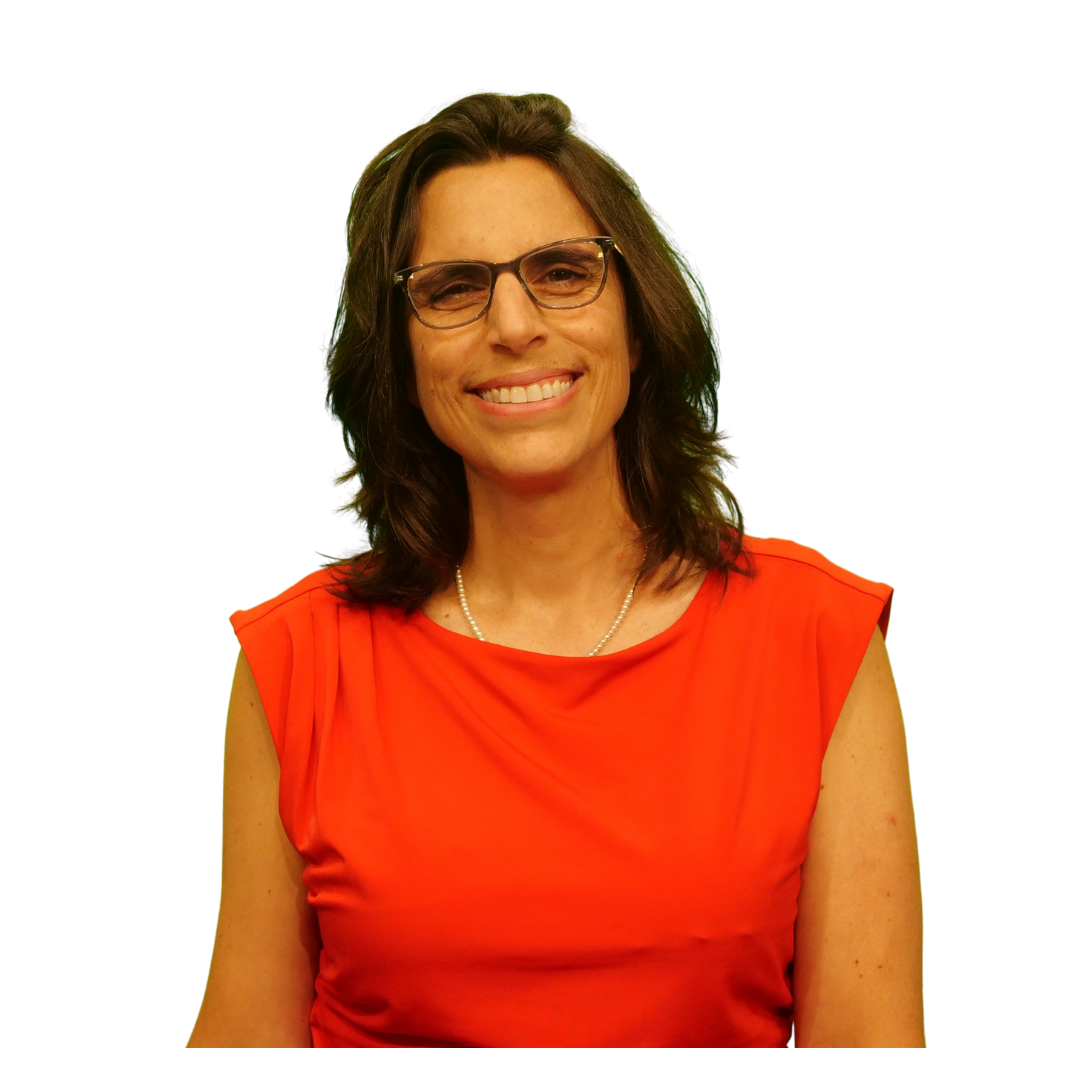
Cara Tyrrell, M.Ed
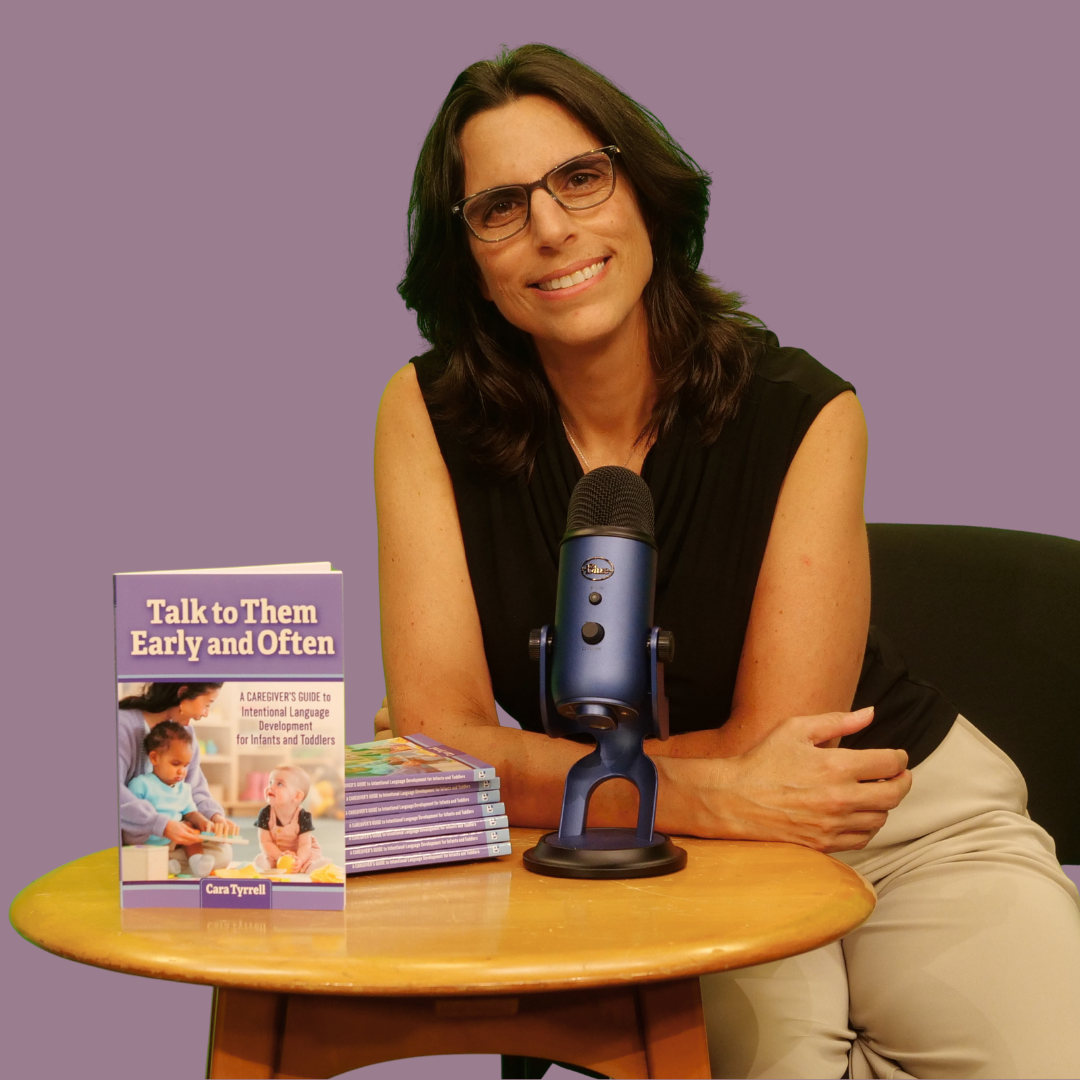
Cara Tyrrell is a relationship-based communication expert, national speaker, educator, and author of Talk to Them Early and Often. A former preschool and kindergarten teacher with more than 20 years in education, Cara helps parents and educators use everyday communication to build connection, language, emotional intelligence, and agency in children. She is the host of Transforming the Toddler Years and speaks nationally about the power of our words and relationships in raising world-ready kids.
Connect with Cara here…
How to Mean What You Say and Say What You Mean: What Children Teach Us About Communication, Cara Tyrrell
- Contributed By: Cara Tyrrell, M.Ed
Tell us a little something about your business...
One of the funniest things a child ever said to me was also one of the best lessons I’ve ever learned about communication. I had returned to working as a nanny after years in the classroom, and Kate was one of the children I cared for while I developed my Collaborative Discipline framework and launched Core4Parenting. Kate’s language development was actually quite advanced for her age. But at 2 and a half years old, she still had a few word-substitutions that made me belly laugh every time.
Kate was also dramatic, in the very best way. Everything had an exclamation point. Her words, her facial expressions, the way she stomped her feet. When Kate felt something, or wanted you to KNOW something, you knew it.One day she came running up to me, absolutely furious because she had just bumped into a wall.“Nanny Cara!” she exclaimed. “I hurt my whorehead!” Her words didn’t match her meaning, but there was absolutely no question about what she was trying to communicate. For the next year, even though she had been corrected many times, she never stopped calling it her “whorehead.” Honestly, I never wanted her to.Because this sweet and spicy girl taught me something grown-ups often forget which has become the heart of my work today. Communication isn’t just about the words. It’s about the meaning underneath them.
Over the last 20+ years in education, including teaching preschool and kindergarten and working with children who were Deaf, hard of hearing, and typically developing my core belief has never changed: How we talk to kids is how they learn to talk to themselves and who they believe they are.
Today, I bring those experiences into my work with parents and educators through keynote speaking, teacher-training workshops, my podcast Transforming the Toddler Years, and my book, Talk to Them Early and Often.
When was your lightbulb moment?
In some ways, my “lightbulb moment” has been happening for more than 20 years. I kept seeing the same thing over and over. Children effectively communicating, even when their words weren’t telling the whole story.
A toddler would say “NO!” when what they really meant was, “I don’t feel ready.”
A child melted down when what they really wanted me to know is, “This is too much for me.”
And sometimes a feisty little two year old said “whorehead” while pointing to their “forehead.”
We have a good laugh when children’s words and meanings don’t quite match because we understand that they’re still developing the language to express themselves. But, when I sat with this concept I realized, adults do this too. The difference being that we have decades of conversations and vocabulary to choose from. So we assume that because we said what we intended to say, the other person must have received our intended meaning. Yet our words often land as blame when we meant concern. They land as shame when we meant correction. They land as pressure when we meant encouragement. They land as expectation when we meant hope.
And that gap, the one between what we mean and what the other person actually hears, is where misunderstanding and disconnection begins. That realization became the foundation of my work. I want grown-ups to slow down enough to consider not only, What am I saying? but also, What is this child experiencing and what does it make them feel when they hear me say it?
Our voice becomes their inner guide. Because our words don’t simply communicate information. They help children build an understanding of themselves, their relationships, and the world around them. That is why I believe raising world-ready kids starts with something incredibly ordinary, the conversations we have with them every day.
What are your three words of advice?
Connect because emotional safety unlocks relatability. Kids who feel connected and trust the relationship will accept correction.
Communicate because our message is bigger than our words. Being intentional with our tone, facial expression, body language, and energy (what I refer to as intentional language links in my book) merge into your intended meaning.
Collaborate because children are not problems to be managed. They are people learning how to participate, problem-solve, make choices, navigate relationships, and eventually navigate the world on their own. Inviting them to part of the solution allows them to practice these skills.
Those three words capture so much of what I believe about raising and teaching children. And they bring me back to the lesson Kate gave me all those years ago: Sometimes the words don’t come out right. Our job isn’t always to correct the words. Our job is to listen for the meaning. Because when we change the way we talk to children, we change the way children learn to talk to themselves. And when we raise children who know how to connect, communicate, and collaborate, we’re not just changing childhood. We’re changing the world.
Three words of advice...
Connect, Communicate, Collaborate
Cara Tyrrell is a relationship-based communication expert, national speaker, educator, and author of Talk to Them Early and Often. A former preschool and kindergarten teacher with more than 20 years in education, Cara helps parents and educators use everyday communication to build connection, language, emotional intelligence, and agency in children. She is the host of Transforming the Toddler Years and speaks nationally about the power of our words and relationships in raising world-ready kids.
Connect with Cara here…
“May your legacy create a footprint of success for the next person who steps into your shoes”